Buy Now Pay Later Australia: Understanding the Risks and Protecting Your Finances
Buy Now Pay Later (BNPL) services have become increasingly popular across Australia over the past few years. Companies like Afterpay, Zip, Klarna, and Humm promise the ability to purchase items immediately and spread payments over several weeks with little to no interest. While this sounds convenient, there are significant risks you need to understand before using these services.
As an everyday Australian, it’s crucial to make informed decisions about your spending habits and financial health. This guide will walk you through the key risks associated with BNPL services and provide practical advice to help you use them responsibly—or avoid them altogether.
What is Buy Now Pay Later?
Buy Now Pay Later is a form of short-term credit that allows you to purchase goods or services and pay for them in instalments, typically over 4-12 weeks. Unlike traditional credit cards or personal loans, BNPL services often charge no interest during the interest-free period.
The services are designed to be quick and easy to access, with minimal credit checks and instant approval in many cases. You might see these options offered at checkout on online retailers or in physical stores across Australia.
The Main Risks of Buy Now Pay Later Services
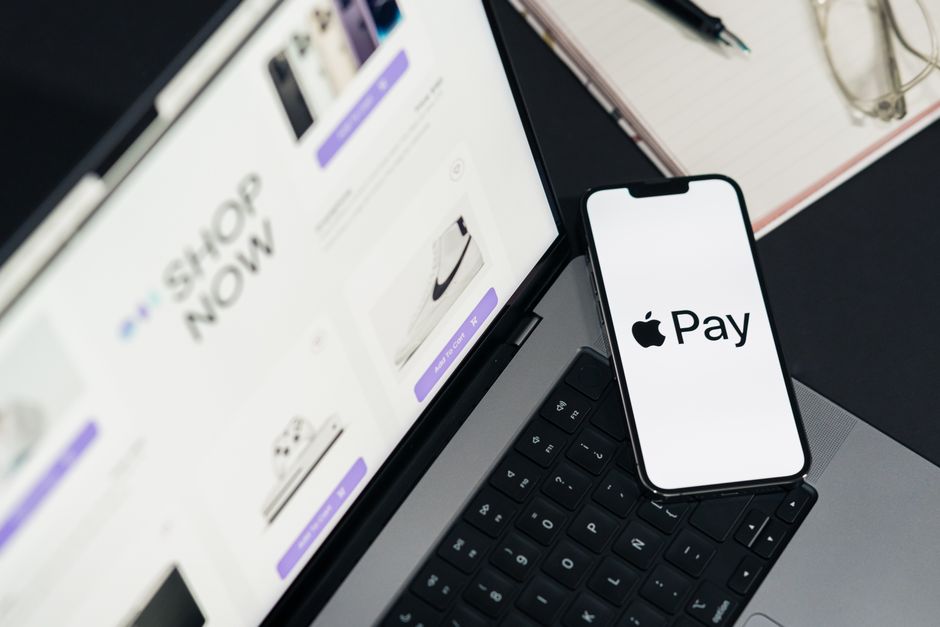
1. Encouraging Overspending and Impulse Purchases
One of the most significant risks of BNPL is that it makes spending feel effortless. Because you’re not paying the full amount upfront, it can feel like you’re getting something for free. This psychological effect often leads to overspending on items you might not otherwise purchase.
Research has shown that BNPL users tend to make larger purchases and buy more frequently than they would without the service. Before using BNPL, ask yourself: Would I buy this item if I had to pay for it in full right now? If the answer is no, it’s probably not worth the purchase.
2. Late Fees and Penalty Charges
While BNPL services advertise interest-free periods, they make their money through late fees and penalty charges. Missing even one payment can result in substantial fees—sometimes ranging from $10 to $39 per missed instalment, depending on the provider.
These fees can quickly add up, transforming what seemed like a reasonable purchase into an expensive one. For example, missing just two payments on a $200 purchase could cost you an additional $60-$78 in fees alone.
3. Debt Spiral and Financial Stress
Because BNPL services require minimal credit checks, it’s easy to accumulate multiple BNPL debts simultaneously across different providers. Before you know it, you could have several payments due across Afterpay, Zip, Klarna, and other services in the same week.
This situation can quickly lead to a debt spiral where you’re struggling to keep up with payments, potentially missing deadlines on essential bills like rent, utilities, or mortgage payments. Financial stress from BNPL debts has been linked to anxiety and negative impacts on mental health.
4. Impact on Your Credit Score
While BNPL providers don’t traditionally report to the major Australian credit reporting agencies (Equifax, Experian, and Illion), this is beginning to change. Some providers are now reporting payment information to credit bureaus, meaning missed BNPL payments could damage your credit score.
A lower credit score affects your ability to obtain credit in the future, including home loans, car loans, and credit cards. This could cost you thousands of dollars in higher interest rates or result in loan applications being rejected altogether.
5. Lack of Consumer Protections
BNPL services operate in a regulatory grey area. Unlike credit cards and traditional loans, BNPL isn’t covered by the same consumer protection laws. The Australian Securities and Investments Commission (ASIC) has raised concerns about the lack of responsible lending obligations for BNPL providers.
This means if something goes wrong—such as unauthorised transactions or disputes—you may have fewer protections than you would with a credit card or bank. It’s important to read the terms and conditions carefully.
6. Difficulty Tracking Multiple Payments
With BNPL services, you’re often managing multiple payment schedules across different platforms. It’s easy to lose track of when payments are due, leading to accidental late payments and fees.
Unlike a traditional loan or credit card statement, you don’t get one consolidated bill showing all your BNPL commitments. This makes it harder to see your total debt at a glance.
How BNPL Affects Your Financial Health
Using BNPL can have ripple effects across your financial life. If you’re receiving Centrelink payments, accumulating BNPL debt could affect your assets and income assessments. Additionally, if you’re struggling financially, taking on BNPL commitments could impact your ability to meet other obligations.
The Australian Financial Complaints Authority (AFCA) has seen an increase in complaints related to BNPL services, particularly regarding misleading affordability assessments and aggressive debt collection practices.
Practical Tips for Using BNPL Responsibly
- Set a strict budget: Decide in advance how much you can afford to spend on BNPL purchases each month and stick to it.
- Create a payment calendar: Write down all your BNPL payment dates to avoid missing deadlines.
- Use only one provider: Limit yourself to one BNPL service to make tracking easier and reduce the temptation to overspend.
- Ask yourself the 24-hour rule: Wait 24 hours before making a BNPL purchase to ensure it’s not an impulse buy.
- Check your bank balance: Before making a BNPL purchase, ensure you have enough money in your account to cover upcoming instalments.
- Read the fine print: Understand all fees, charges, and payment terms before committing to a BNPL service.
- Avoid BNPL for essentials: Never use BNPL for groceries, utilities, or other essential expenses.
- Set up automatic payments: Have your BNPL payments automatically deducted from your bank account to prevent missed payments.
Alternatives to Buy Now Pay Later
If you’re tempted by BNPL services, consider these alternatives:
- Save up: Wait until you have the funds to purchase something outright. This builds financial discipline and ensures you only buy what you can afford.
- Use a credit card with rewards: A traditional credit card with interest-free periods (typically 44-55 days) and rewards programs can offer better protection than BNPL.
- Personal loan: If you need to spread payments over a longer period, a personal loan from a bank or credit union is regulated and offers better consumer protections.
- Layby schemes: Some retailers still offer traditional layby options where you pay gradually before taking the item home.
What to Do If You’re Struggling with BNPL Debt
If you’re already in a difficult situation with BNPL debts, take action immediately:
- Contact your BNPL provider to discuss payment difficulties
- Seek free financial counselling from services like the Financial Counselling Australia (1800 007 007)
- Create a budget to understand your financial situation
- Consider seeking advice from the AFCA if you believe you’ve been treated unfairly
- Speak with your bank about whether a personal loan consolidation could help
Conclusion
Buy Now Pay Later services can seem like