How Do I Know If I Am Paying Too Much Tax in Australia?
Wondering how do I know if I am paying too much tax in Australia? Many Australian taxpayers unknowingly overpay their taxes each year by missing out on available deductions, credits, or failing to adjust their tax withholding. If you’re earning an income, it’s essential to understand the warning signs that suggest you might be paying more tax than necessary. In this guide, we’ll walk you through the key indicators and practical steps to assess whether you’re paying too much, and what you can do about it.
Understanding Your Tax Obligations
Before determining whether you’re paying too much tax, it’s crucial to understand what you should actually be paying. The Australian Tax Office (ATO) sets tax rates and thresholds that change each financial year. Your tax liability depends on your income level, the type of income you earn, and various deductions and offsets you’re entitled to claim.
Most employed Australians have tax withheld from their pay by their employer. However, the amount withheld isn’t always accurate for your personal circumstances. Self-employed individuals and those with multiple income sources face even greater complexity. Understanding your baseline tax obligation is the first step in identifying whether you’re overpaying.
Key Signs You May Be Paying Too Much Tax

Several indicators suggest that how do I know if I am paying too much tax in Australia might be your situation:
- You consistently receive large tax refunds: Receiving a refund of several hundred dollars or more each year suggests too much tax has been withheld during the year. While a refund might feel like a bonus, it’s really your own money being returned to you interest-free.
- Your circumstances have changed but your tax withholding hasn’t: If you’ve had a change in income, taken on a second job, or experienced a life event like marriage or having children, your tax situation may have altered significantly.
- You have work-related deductions you’re not claiming: Many employees miss out on legitimate deductions such as home office expenses, professional development, or uniform cleaning costs.
- You’re not claiming the full value of your deductions: If you’ve kept receipts and records but haven’t maximised your deductions, you could be overpaying.
- You have investment income that’s being over-taxed: Interest, dividends, or rental income may be taxed at higher rates if your tax file number isn’t correctly registered with your financial institutions.
- You’re not aware of tax offsets available to you: Various offsets can reduce your tax liability, but only if you know about them and claim them.
Deductions You Might Be Missing
Many Australians leave money on the table by not claiming all eligible deductions. The ATO allows you to claim deductions for expenses that are directly connected to earning your income. Common deductions that people often overlook include:
Work-related expenses such as uniforms, protective clothing, or tools of trade are frequently missed. If you work from home, you may be able to claim a portion of your rent, utilities, and internet costs—ensure you check current ATO guidelines for the latest rules. Professional fees, union dues, and subscriptions to professional journals are also deductible. Education and training expenses related to your current work can be claimed, as can car and travel expenses if they’re directly work-related.
To ensure you’re claiming everything available, keep detailed records of all work-related expenses throughout the year and cross-reference them with the ATO’s list of common deductions.
How to Review Your Tax Withholding
Your employer’s tax withholding is based on information you provide via your tax file number declaration and any variation requests. If how do I know if I am paying too much tax in Australia applies to you because you’re receiving large refunds, you can adjust your withholding.
You can request a variation to your tax withholding if you believe too much tax is being taken from your pay. This involves estimating your annual tax and asking your employer to withhold less. However, you must be confident in your estimate—if you withhold too little, you may face a bill at tax time plus interest.
Alternatively, you can complete your tax return at the end of the financial year, claim all eligible deductions, and adjust your position then. This approach is often safer if you’re uncertain about your circumstances.
Tax Offsets and Credits You Might Qualify For
Tax offsets and credits directly reduce the amount of tax you owe. These are different from deductions, which reduce your taxable income. Many Australians aren’t aware of the offsets they qualify for:
| Offset/Credit Type | Who May Qualify | Effect |
|---|---|---|
| Low Income Tax Offset | Eligible low-income earners | Reduces tax payable by a set amount |
| Medicare Levy Exemption | Those with very low incomes | Removes the 2% Medicare Levy requirement |
| Seniors and Pensioners Tax Offset | Eligible seniors and pensioners | Provides additional tax relief |
| Spouse Offset | Couples with significant income disparity | Reduces tax for the higher-income earner |
| Dependant Parent Offset | Those supporting a dependant parent | Provides tax relief for supporting costs |
These offsets change each financial year, so verify your eligibility with the ATO before claiming.
Taking Action: Steps to Review Your Tax Position
If you suspect how do I know if I am paying too much tax in Australia is your concern, follow these practical steps:
- Gather all income documents including payslips, investment statements, and any other income sources.
- Compile receipts and records of all work-related expenses you incurred during the year.
- Review the ATO website to identify all deductions and offsets that apply to your situation.
- Check whether your tax withholding declaration is still accurate or if you need to update it.
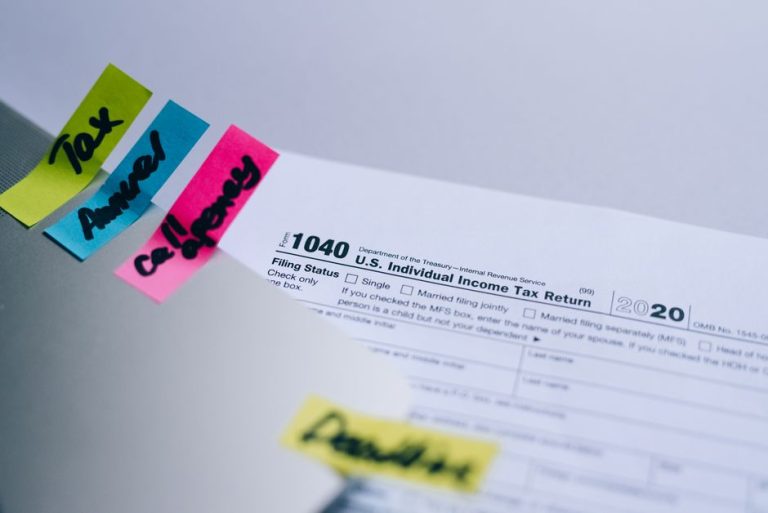
- Complete your tax return thoroughly, claiming all eligible deductions and offsets.
- Consider engaging a tax professional if your situation is complex or you’re uncertain about your obligations.
Frequently Asked Questions
Is it normal to get a tax refund each year?
Getting a refund occasionally is normal, but consistently large refunds suggest your employer is withholding too much tax. You can adjust this by lodging a tax withholding variation request, though it’s essential to estimate carefully to avoid underpaying.
Can I claim deductions without receipts?
The ATO generally requires evidence to support claimed deductions. While you may be able to claim some small expenses without a receipt under certain circumstances, it’s best practice to keep all documentation. The onus is on you to substantiate your claims if audited.
What’s the difference between a deduction and an offset?
A deduction reduces your taxable income, thereby reducing the tax you owe. An offset directly reduces your tax liability by a set amount. Offsets are typically more valuable as they provide a direct reduction in tax owed, regardless of your income level.
Useful Resources
- Australian Taxation Office (ATO) – Access tax rates, deduction guidelines, and lodgement information
- MoneySmart – Independent financial information to help you understand your tax position
- Services Australia – Information on tax offsets, benefits, and payments you may qualify for
Conclusion
Determining how do I know if I am paying too much tax in Australia requires a thorough review of your income, deductions, and tax withholding. By examining your refund history, understanding available deductions, and verifying your eligibility for offsets and credits, you can take control of your tax position. If you’re consistently receiving large refunds, missing deductions, or unsure about your tax obligations, it’s worth investing time—or seeking professional advice—to ensure you’re paying the right amount of tax.
Start by reviewing your last tax return and comparing it against the ATO’s current guidelines. Small adjustments now can result in significant savings over time, and ensure you’re not leaving money on the table.
Disclaimer: This article is general information only and should not be considered financial or tax advice. Tax laws and thresholds change regularly, and individual circumstances vary. Please consult the Australian Taxation Office website or engage a qualified tax professional to discuss your specific situation before making any decisions. The information provided is accurate to the best of our knowledge at the time of publication, but we recommend verifying current rates and eligibility criteria directly with official sources.