Private Health Insurance Rebate Australia: Your Complete Guide to Maximising Your Benefits
If you’re an Australian with private health insurance, you might be missing out on money the government is willing to give you. Private health insurance rebates are one of the best-kept secrets in personal finance, yet many people don’t fully understand how they work or whether they’re eligible. This comprehensive guide will walk you through everything you need to know about private health insurance rebates in Australia, helping you maximise your benefits and save money on your premiums.
What Is a Private Health Insurance Rebate?
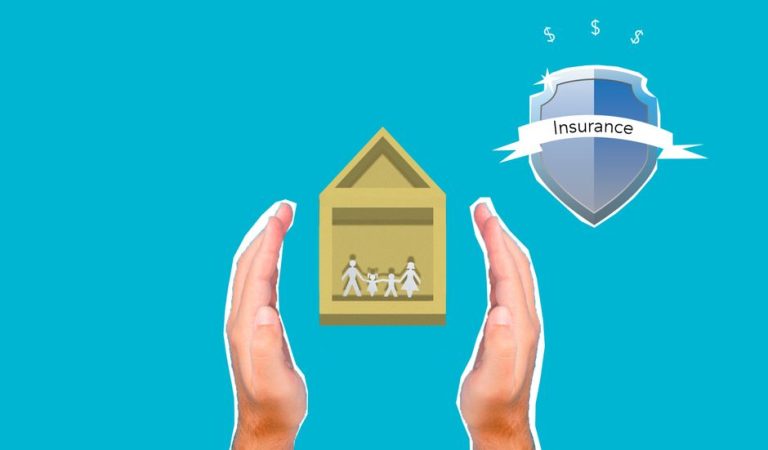
A private health insurance rebate is a government subsidy designed to help Australians afford private health insurance. Essentially, the Australian government contributes a percentage of your private health insurance premium, reducing the amount you need to pay out of your own pocket.
The rebate applies to eligible hospital and ancillary (extras) cover. The government pays a portion of your premiums directly to your health insurer, which means lower costs for you. It’s a way the government encourages people to take out private health insurance and reduce the burden on the public Medicare system.
How Much Is the Private Health Insurance Rebate?

The amount you receive depends on several factors, including your age and income. The rebate works on a sliding scale, with different rates applied based on your circumstances.
As of 2024, the base rebate rates are approximately:
- Under 65 years old: Around 25-30% of your premium
- 65-69 years old: Around 35-40% of your premium
- 70 years and over: Around 40-45% of your premium
However, the Means-Tested Rebate reduces or eliminates your rebate if your income exceeds certain thresholds. For the 2023-24 financial year, if your income is above $180,000 (singles) or $360,000 (couples), you may not receive any rebate at all.
Important note: Rebate thresholds and percentages are adjusted annually and are indexed. Always check the official Department of Health website or the Private Health Insurance Ombudsman for current figures.
Who Is Eligible for the Private Health Insurance Rebate?
Not everyone qualifies for the rebate. To be eligible, you must:
- Be an Australian resident or temporary resident with a valid visa
- Have a current private health insurance policy with hospital cover
- Be aged 18 or over (for eligibility purposes)
- Meet the income thresholds set by the government
- Not have exceeded the maximum annual rebate income cap
Temporary residents must have been in Australia for at least 12 months and have a visa that permits them to stay for at least 12 months to access the rebate.
The Means-Tested Rebate: What You Need to Know
The Means-Tested Rebate is a critical component of understanding private health insurance subsidies in Australia. It’s designed to ensure higher-income earners don’t receive government assistance.
If your annual income exceeds the threshold for your age, your rebate is reduced by 1% for every $280 of income above the threshold. Beyond a certain point, you lose the rebate entirely.
For example, if you’re under 65 and earn $80,000 per year, you’ll receive the full rebate. If you earn $100,000, your rebate will be reduced. This is where understanding your income becomes crucial for financial planning.
The ATO (Australian Taxation Office) assesses your eligibility based on your income from the previous financial year. If your income changes significantly, you may need to notify the Department of Health to update your rebate entitlements.
Age-Based Rebates: The Lifetime Health Cover Levy
Australia also has the Lifetime Health Cover (LHC) Levy, which is separate from the standard rebate. This levy is designed to encourage younger Australians to take out private hospital insurance.
If you don’t have private hospital insurance by age 31 and later decide to join, you’ll pay a Medicare Levy Surcharge. Additionally, your LHC Levy loading increases by 2% for each year you’re over 30 without cover, up to a maximum of 70%.
However, if you take out hospital cover before turning 31, you lock in the base LHC Levy loading and avoid paying the surcharge. This is why many younger Australians choose to join early—it’s financially advantageous in the long run.
How to Claim Your Private Health Insurance Rebate
The good news is that claiming your rebate is straightforward in most cases.
Automatic Rebate (Direct Deduction)
The easiest method is to let your health insurer handle it automatically. When you enrol in a private health insurance policy, the rebate is applied directly to your premiums as a direct deduction. You’ll see the rebate amount listed on your premium statement.
To set this up, simply provide your Centrelink Customer Reference Number (CRN) or tax file number (TFN) when applying for insurance. Your insurer will then verify your eligibility with the Department of Health.
Refund Through Tax Return
If you’ve been paying full premiums without the rebate being deducted, you can claim the refund through your annual tax return. When you complete your tax return with the ATO, you can claim back any private health insurance rebates you’ve paid.
Keep all your health insurance receipts and documentation for the financial year. When lodging your tax return, declare the amount you’ve paid in premiums, and the ATO will process your rebate refund.
Practical Tips to Maximise Your Private Health Insurance Rebate
Understanding the system is one thing—using it effectively is another. Here are actionable strategies to get the most from your rebate:
- Review your income: If your income fluctuates or you’ve recently had a pay rise, check whether it affects your rebate eligibility. Some years you might qualify for a full rebate, other years a reduced one.
- Update your details: Keep your information current with your health insurer. Changes in income, age, or family status can affect your rebate.
- Compare policies: Don’t just look at the premium—consider what the rebate means for your actual out-of-pocket costs. A policy with higher premiums but broader coverage might offer better value when the rebate is applied.
- Plan before age 31: If you’re in your 20s, taking out hospital cover now locks in better lifetime levies, even if you cancel later.
- Verify your eligibility annually: The rebate thresholds and percentages change yearly. What applied last year might be different this year.
- Use Centrelink services: If you’re on Centrelink payments, the system often automatically applies the rebate—but verify this with your insurer.
Common Mistakes to Avoid
Many Australians lose money by making simple errors with their private health insurance rebates:
- Not updating income changes: Your rebate is based on previous year’s income. If you had a significant pay rise, notify the Department of Health.
- Assuming you’re not eligible: Even with moderate incomes, you might still qualify for some rebate.
- Forgetting to claim through tax: If your rebate wasn’t automatically deducted, claiming it at tax time is your responsibility.
- Ignoring policy updates: Rebate rates and